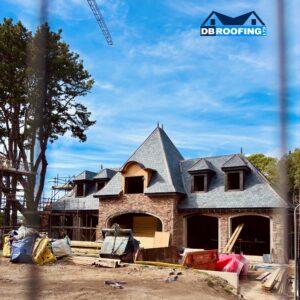
Arranging a roof inspection before buying a house in Dorset can help you understand the condition of one of the property’s most important and potentially expensive components.
A roof may look acceptable from ground level while still having broken coverings, defective flashing, deteriorated underlay or signs of previous water ingress. Discovering these problems before completing the purchase can help you plan future repairs and make a more informed decision.
A specialist roofing inspection can complement a professional home survey when the survey identifies a concern or recommends further investigation.
Why the Roof Deserves Special Attention
The roof protects the structure, insulation, ceilings and contents of a property from the weather. When it fails, moisture can spread beyond the original defect and affect several parts of the building.
Roofing work can also involve scaffolding, specialist materials and difficult access. For this reason, buyers should understand whether the roof requires minor maintenance, targeted repairs or more extensive replacement.
A pre-purchase roof inspection may help identify:
- Missing, cracked or slipped tiles
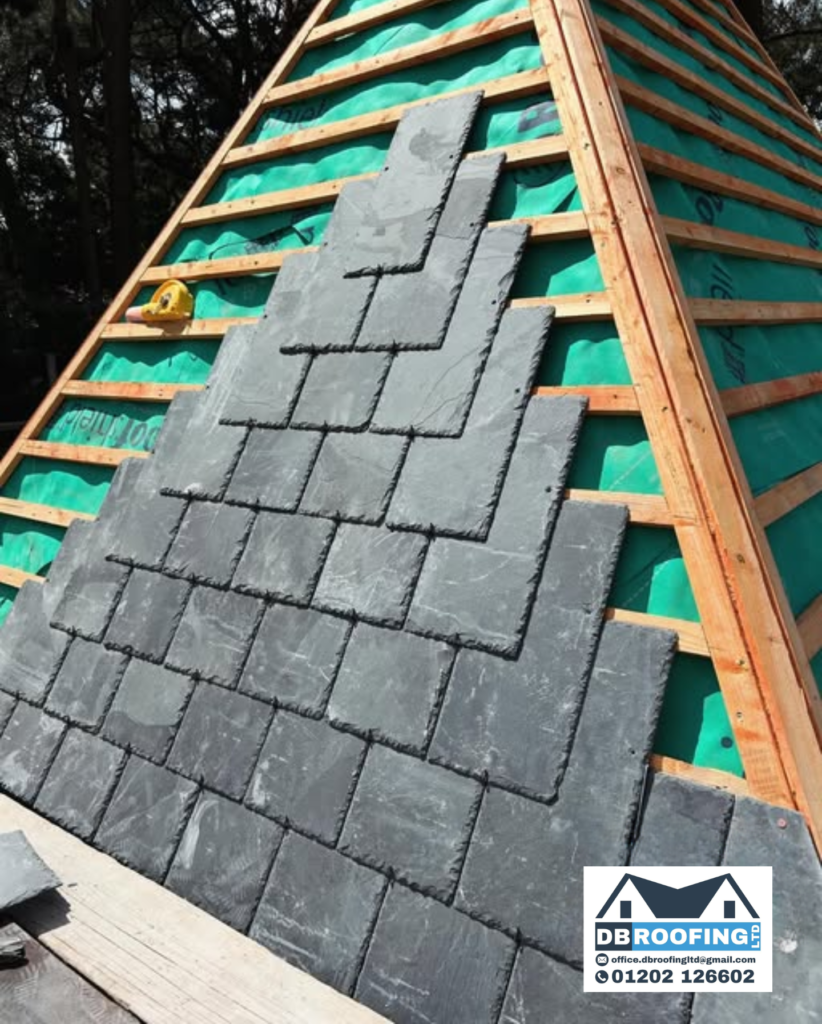
- Damaged or deteriorating slates
- Defective lead flashing
- Problems around chimneys and roof junctions
- Worn flat roof coverings
- Loose ridge or verge components
- Blocked or damaged drainage
- Visible signs of previous leaks
- Concerns requiring further specialist assessment
Is a Mortgage Valuation the Same as a Roof Survey?
A mortgage valuation is primarily completed to help the lender assess whether the property provides suitable security for the loan. It should not be treated as a detailed investigation of the building’s condition.
A home survey provides more information about the property. The appropriate survey level will depend on the building’s age, design, condition and complexity.
The RICS guide to home surveys explains the differences between Level 1, Level 2 and Level 3 surveys.
A specialist roofer may be asked to investigate further when the surveyor notices a roofing defect or cannot fully assess an inaccessible area.
What Should Be Checked From Outside?
An external inspection should consider the entire roofing system rather than focusing on one visibly damaged tile.
Tiles and Slates
The inspector should look for cracked, missing, displaced or heavily weathered coverings. Repeated slipping may indicate problems with the fixings, battens or roof pitch rather than an isolated damaged tile.
Ridge and Hip Tiles
Ridge and hip tiles should remain secure. Deteriorated mortar, loose components and movement can make these areas vulnerable during strong winds.
Roof Verges
The verges at the gable ends of a pitched roof should be checked for loose mortar, damaged tiles and defective dry-verge components.
Roof Valleys
Valleys carry significant volumes of rainwater between adjoining roof slopes. Cracked materials, accumulated debris or defective junctions can allow water beneath the covering.
Lead Flashing
Leadwork around chimneys, walls, dormers and roof junctions should be checked for splits, lifting, poor repairs and incorrect detailing.
DB Roofing provides professional leadwork services across Dorset.
Gutters and Downpipes
Blocked, leaking or poorly aligned guttering may direct water onto walls and roof edges. Staining beneath a gutter joint can indicate repeated overflow or leakage.
What Should Be Checked Inside the Roof Space?
Where safe and accessible, the loft can reveal problems that are not obvious from outside.
Potential warning signs include:
- Daylight visible through the roof covering
- Water stains on rafters or underlay
- Damp or compressed insulation
- Rotten or discoloured timber
- Torn or sagging roof membrane
- Mould growth
- Corroded metal fixings
- Evidence of repeated temporary repairs
- Excessive condensation
- Unusual movement or sagging
A dry loft does not always prove that the roof is free from defects. Some leaks only appear during wind-driven rain, while insulation and stored belongings may conceal staining.
Questions to Ask About the Roof
Buyers should ask the seller or estate agent for any available information about previous roofing work.
Useful questions include:
- How old is the roof covering?
- Has the property experienced any roof leaks?
- What repairs have previously been completed?
- Was the roof replaced by a professional contractor?
- Are invoices, guarantees or warranties available?
- Have any insurance claims involved the roof?
- Has the loft been converted or structurally altered?
- Are there known problems with gutters or drainage?
- Are any planned repairs awaiting completion?
Documents should be reviewed carefully. The existence of a guarantee does not replace an inspection of the roof’s present condition.
Pay Attention to Extensions and Alterations
Properties that have been extended or altered often contain several different roof sections. Each junction creates an additional area that must remain weatherproof.
The inspection should consider:
- Where an extension roof meets the original wall
- Changes between flat and pitched roofing
- Valleys between old and new roof sections
- Lead flashing around abutments
- Drainage from one roof onto another
- Rooflights and surrounding flashing
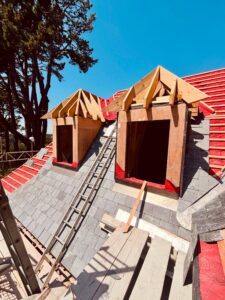
- Dormer roofs and external cheeks
Signs of staining beneath these junctions should be investigated rather than covered with new paint.
Inspecting Flat Roofs Before a Purchase
Flat roofs are commonly found on extensions, garages, dormers and commercial-style additions. Their condition can be difficult to judge from the garden or street.
A flat roof inspection may consider:
- Cracks, splits and open seams
- Blistering or surface deterioration
- Standing water
- Damaged edge trims
- Defective wall junctions
- Blocked outlets
- Soft or uneven roof decking
- Signs of repeated patch repairs
The presence of standing water does not always mean the covering has already failed, but it may indicate insufficient falls, restricted drainage or movement within the structure.
DB Roofing provides professional flat roofing services across Dorset.
Chimneys and Leadwork
Chimneys create several vulnerable junctions within a pitched roof. Water may enter through damaged flashing, deteriorated mortar, cracked chimney pots or defective flaunching.
Areas to inspect include:
- Lead flashing around the chimney base
- Mortar joints between bricks
- Chimney pots and cowls
- Cement flaunching at the top
- Tiles and slates surrounding the stack
- Internal staining on nearby timbers
A damp chimney breast may be caused by several different defects, so the source should be established before repairs are recommended.
Could the Roof Need Replacing Soon?
An older roof does not automatically require replacement. Traditional tiles and natural slates can remain serviceable for many years when properly installed and maintained.
More extensive work may be required when:
- Roof coverings are failing across several areas
- Tiles or slates are repeatedly slipping
- The underlay and battens are extensively deteriorated
- The roof has recurring leaks
- The supporting structure requires repair
- Several previous repairs have failed
- Suitable replacement materials are difficult to source
A professional assessment should distinguish between urgent defects, routine maintenance and work that may be required later.
Look for Signs of Poor Previous Repairs
Temporary or unsuitable repairs may conceal an underlying roofing problem without resolving it.
Warning signs can include:
- Large amounts of sealant around roof junctions
- Tiles secured with unsuitable adhesives
- Different materials poorly joined together
- Leadwork covered with temporary tape
- Roofing membrane applied over damaged materials
- Internal stains recently painted without explanation
- Several patches across the same flat roof
These repairs should be assessed to determine whether they provide reliable protection or require professional renewal.
Can You Inspect the Roof Yourself?
Buyers can look at the roof from ground level and note visible concerns, but they should not climb onto it.
Roof coverings may be slippery, fragile or unable to support a person’s weight. Rooflights can also be difficult to distinguish from surrounding materials when viewed from above.
Professional roof access requires appropriate equipment, planning and fall protection. Binoculars or photographs taken from a safe location may help with an initial observation, but they do not replace an appropriate inspection.
When Should You Arrange a Specialist Roofing Inspection?
Further roofing advice may be valuable when:
- The home survey recommends additional investigation
- There are visible signs of water ingress
- The property has several different roof sections
- The roof has been heavily patched
- The buyer is planning a loft conversion
- The property is older or has an unusual roof
- The seller cannot provide details of previous work
- A flat roof appears extensively deteriorated
- The likely repair cost could affect the purchase decision
The roofing contractor should be given access to the survey findings and any relevant photographs where possible.
Use the Findings to Plan Future Work
A roofing inspection can help buyers separate immediate concerns from longer-term maintenance.
The findings may identify:
- Urgent work needed to prevent water ingress
- Repairs that should be completed soon
- Routine cleaning or maintenance
- Areas that should be monitored
- Larger replacement work to budget for
- Defects requiring another specialist
A roofing quotation can provide useful cost information, but legal and purchasing decisions should be discussed with the buyer’s surveyor, solicitor and mortgage provider where appropriate.
A Roofing Inspection Does Not Replace a Home Survey
A roofing contractor provides focused advice about roofing materials, defects and potential repair work. This is different from a comprehensive survey of the entire building.
A qualified surveyor considers a wider range of issues, including the walls, floors, drainage, services and overall condition of the property.
Buyers should therefore use specialist roofing advice alongside an appropriate home survey rather than as a substitute for one.
Professional Roofing Services Across Dorset
DB Roofing provides comprehensive roofing services throughout Dorset, including inspections, repairs, flat roofing, pitched roofing, leadwork and complete roof replacements.
Our experienced team covers Bournemouth, Poole, Christchurch, Wimborne, Ferndown, Wareham and surrounding locations.
Request a Professional Roofing Assessment
If a home survey has identified a potential roof defect, obtaining specialist advice can help you understand the problem and likely repair requirements before proceeding.
To discuss a roof inspection before buying a house in Dorset, contact DB Roofing or call 01202 126602 to request a free quotation.