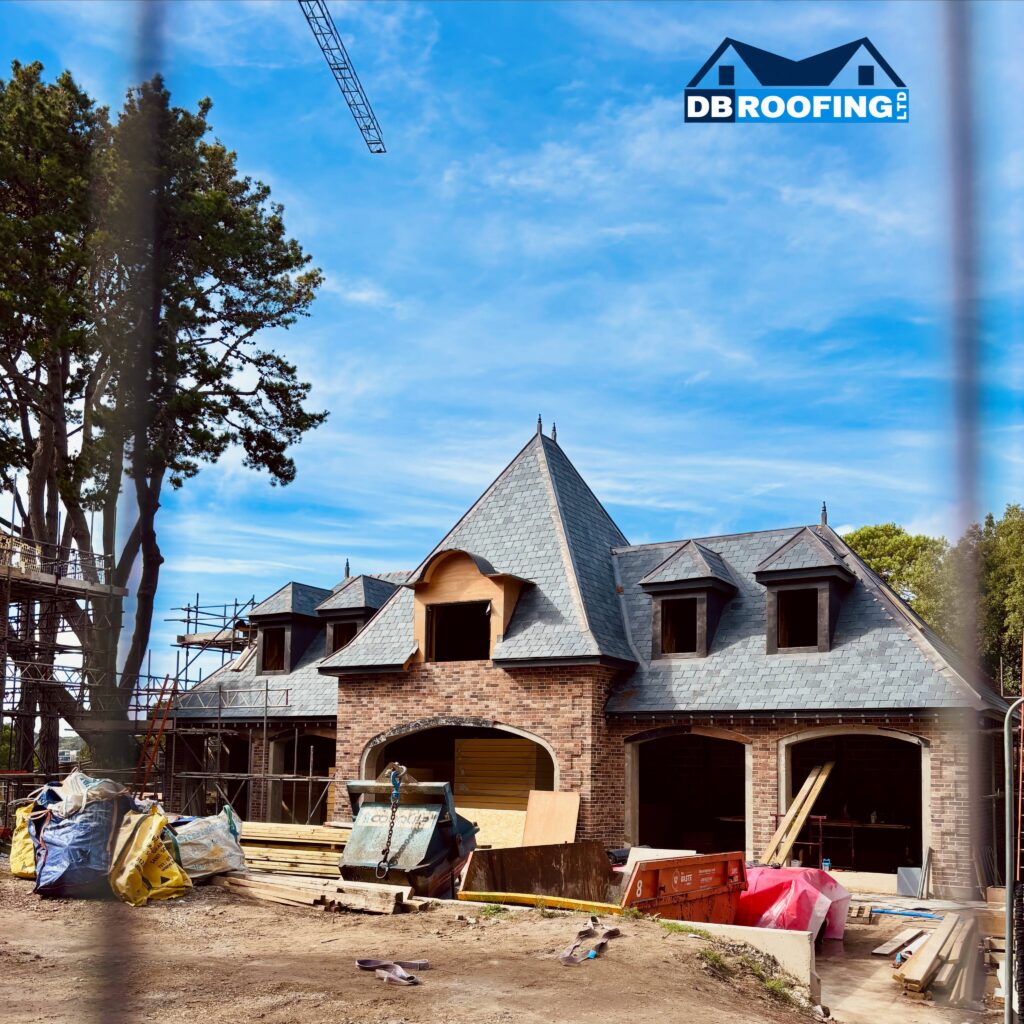
If you notice a missing or displaced tile, arranging a professional roof tile repair in Dorset promptly can help prevent a small defect from developing into a roof leak.
Roof tiles form the main weather-resistant covering of a pitched roof. When one slips, cracks or disappears completely, the underlay and battens beneath it become more exposed to rain, wind and debris.
A single missing tile does not always mean water is already entering the property, but the roof should still be inspected before further weather causes additional damage.
How Urgent Is a Missing Roof Tile?
A missing or slipped tile should generally be assessed as soon as reasonably possible. The exact urgency depends on its location, the condition of the underlay and the weather forecast.
| Situation | Recommended response |
|---|---|
| Water is entering the loft or ceiling | Arrange an urgent inspection and temporary protection where safely possible. |
| A tile is loose and may fall | Keep people and vehicles away from the area below and contact a roofer urgently. |
| Underlay or timber is visibly exposed | Arrange a repair promptly, ideally before the next period of rain or strong wind. |
| One tile has slipped but no leak is visible | Book an inspection within the next few days rather than waiting for water damage. |
| Several tiles have moved after a storm | Arrange a wider roof inspection because additional damage may not be visible from the ground. |
Weather conditions can change quickly, and a tile that is only slightly displaced may move further during the next strong wind.
Can One Missing Tile Cause a Roof Leak?
Yes, one missing tile can cause a leak, although the damage may not become visible immediately.
The roofing underlay beneath the tiles may provide temporary secondary protection. However, it is not intended to act as the main roof covering for an extended period.
Water entering through the gap may:
- Run down the underlay towards the gutter
- Reach a tear or deteriorated section of membrane
- Soak into roof battens
- Travel along rafters or other timbers
- Enter insulation and plasterboard
- Appear inside the property away from the original defect
The absence of an immediate internal stain does not confirm that the exposed area is watertight.
Why Do Roof Tiles Slip or Go Missing?
Tiles can move for several reasons. Identifying the cause helps prevent the replacement tile from developing the same problem.
Strong Winds
Wind can lift tiles that are loose, damaged or inadequately fixed. Properties in exposed and coastal parts of Dorset may experience greater pressure during severe weather.
The Met Office’s property preparation guidance recommends checking roofs for loose tiles, slates and flashing before windy weather.
Deteriorated Fixings
Nails, clips and other fixings can corrode or loosen over time. When several tiles begin slipping across the same roof slope, the problem may involve more than an individual tile.
Cracked or Broken Tiles
A tile can crack because of age, impact, frost damage or pressure from someone walking on the roof. A broken fixing hole can also allow the tile to slide out of position.
Damaged Roof Battens
Roof tiles are supported and fixed to horizontal timber battens. If a batten becomes rotten, split or damaged, the replacement tile may not have a secure fixing point.
Incorrect Installation
Tiles must be installed in accordance with the roof pitch, required overlap and relevant fixing specification. Incorrectly fitted tiles may be more vulnerable to wind and rain.
Previous Roofing Work
Tiles can be disturbed during chimney work, aerial installation, gutter maintenance or other work requiring roof access. The area should be checked after contractors have finished.
Signs That Roof Tiles Need Attention
Some defects can be seen safely from the ground or an upper-floor window. Look for:
- A visible gap in the roof covering
- Tiles sitting lower than surrounding rows
- Pieces of tile in the gutter or garden
- Tiles that appear twisted or lifted
- Cracked or chipped coverings
- Uneven rows of tiles
- Daylight visible inside the loft
- Water stains on roofing underlay or timber
- Damp insulation
- Brown marks on ceilings or upper walls
Binoculars or a zoomed photograph taken from a safe position may help with an initial check. Homeowners should not climb onto the roof to investigate.
What Should You Do If a Tile Falls From the Roof?
If a tile or a piece of roofing material falls from the property:
- Keep people, pets and vehicles away from the area below.
- Do not attempt to retrieve loose materials from the roof.
- Check inside the loft for safely visible signs of water ingress.
- Move vulnerable possessions away from any internal damp area.
- Photograph the fallen tile and visible roof damage.
- Contact a professional roofer for an inspection.
If additional tiles appear loose, access beneath that roof slope should remain restricted until the danger has been assessed.
Can You Repair a Slipped Roof Tile Yourself?
Replacing a tile may appear to be a small job, but accessing a pitched roof creates a serious risk of falling. The surrounding tiles may also be slippery or unable to support a person’s weight.
The Health and Safety Executive’s roof work guidance states that roof work is highly dangerous, even when a task takes only a few minutes.
A professional roofer can determine the appropriate access method and inspect the materials surrounding the visible defect.
What Does a Roof Tile Repair Involve?
The exact repair will depend on the type of tile and the reason it moved.
A professional repair may include:
- Removing the damaged or displaced tile
- Checking the surrounding tiles
- Inspecting the underlay and batten
- Installing a compatible replacement tile
- Securing the tile with suitable fixings
- Repairing localised underlay damage
- Replacing a damaged section of batten
- Checking nearby ridge, hip, verge or valley details
Simply pushing a tile back into place may not provide a dependable repair if its fixing or supporting batten has failed.
Can the Original Tile Be Reused?
A slipped tile may sometimes be reused when it remains undamaged and suitable for secure refixing.
Replacement will normally be more appropriate when the tile has:
- Cracked or broken
- Lost part of its fixing point
- Become badly weathered
- Developed extensive surface deterioration
- Warped or changed shape
The replacement should match the existing tile’s size, profile, material and colour as closely as practical.
DB Roofing provides professional tile and slate roofing services for properties throughout Dorset.
What Happens If You Delay the Repair?
A displaced tile may expose only a small part of the roof, but leaving it unrepaired can increase the risk of:
- Damage to the roofing underlay
- Wet or rotten battens
- Moisture reaching rafters
- Damp insulation
- Ceiling and plaster damage
- Mould growth
- Additional tiles moving in strong winds
- A more expensive repair later
The actual rate of deterioration depends on the location of the defect, the condition of the materials beneath it and the weather. Repairing the problem early usually limits the amount of roof that needs to be disturbed.
What If Several Tiles Keep Slipping?
Repeatedly replacing individual tiles may not resolve the problem when the underlying fixings, battens or roof covering are widely deteriorated.
A broader inspection may be necessary if:
- Tiles are slipping in several areas
- New gaps appear after every period of strong wind
- The underlay is brittle or torn
- Battens show signs of decay
- The roof has recurring leaks
- Previous local repairs have failed
Local repairs may still be possible, but the roofer should explain whether they offer a reliable solution or only temporary protection.
Do Slipped Slates Need a Different Repair?
Natural slates have different fixing and installation requirements from concrete or clay tiles. Slates may slip when their nails corrode or their fixing holes fail.
An occasional slate may be securely refixed using an appropriate method. Widespread slipping can indicate that fixings across the roof are deteriorating.
A suitable replacement slate should match the size, thickness and appearance of the existing covering where possible.
Check the Roof After a Storm
After strong winds or heavy rain, visually inspect the roof from ground level when conditions are safe.
Check for:
- New gaps in the roof covering
- Tiles in gutters or on the ground
- Loose ridge or hip tiles
- Damaged verge components
- Debris collected in valleys
- Loose lead flashing
- New damp patches inside the loft
Not all storm damage will be visible from the ground. Arrange an inspection if you hear movement from the roof or find broken roofing materials around the property.
Does Roof Tile Repair Require Building Regulations Approval?
Replacing a small number of damaged tiles will not normally require a building control application. Requirements may change when a substantial part of the roof is being replaced, structural alterations are needed or the replacement covering performs differently from the original.
The Planning Portal’s guidance for work to an existing roof explains when repair and re-covering projects may require approval.
Listed buildings and properties within conservation areas may also require additional consideration when roofing materials or external appearance will change.
How Can Future Tile Problems Be Reduced?
Regular inspections can identify loose or damaged materials before they fall or allow rain into the roof.
Helpful maintenance steps include:
- Checking the roof after strong winds
- Replacing cracked tiles promptly
- Keeping gutters and valleys clear
- Inspecting lead flashing and roof junctions
- Checking areas disturbed by other contractors
- Monitoring recurring leaks or slipped tiles
- Keeping records of previous roof repairs
Checks should be completed from a safe position or by a roofing professional with suitable access equipment.
Professional Roof Tile Repair Across Dorset
DB Roofing provides comprehensive roofing services across Dorset, including missing tile replacement, slipped tile repairs, natural slate work, leadwork and complete roof replacements.
Our team serves Bournemouth, Poole, Christchurch, Wimborne, Ferndown, Wareham and surrounding locations.
Request a Free Roof Tile Repair Quote
If you have found a missing, cracked or displaced tile, arranging an early inspection can help protect the underlay, battens and interior of your property.
For professional roof tile repair in Dorset, contact DB Roofing or call 01202 126602 to request a free quotation.