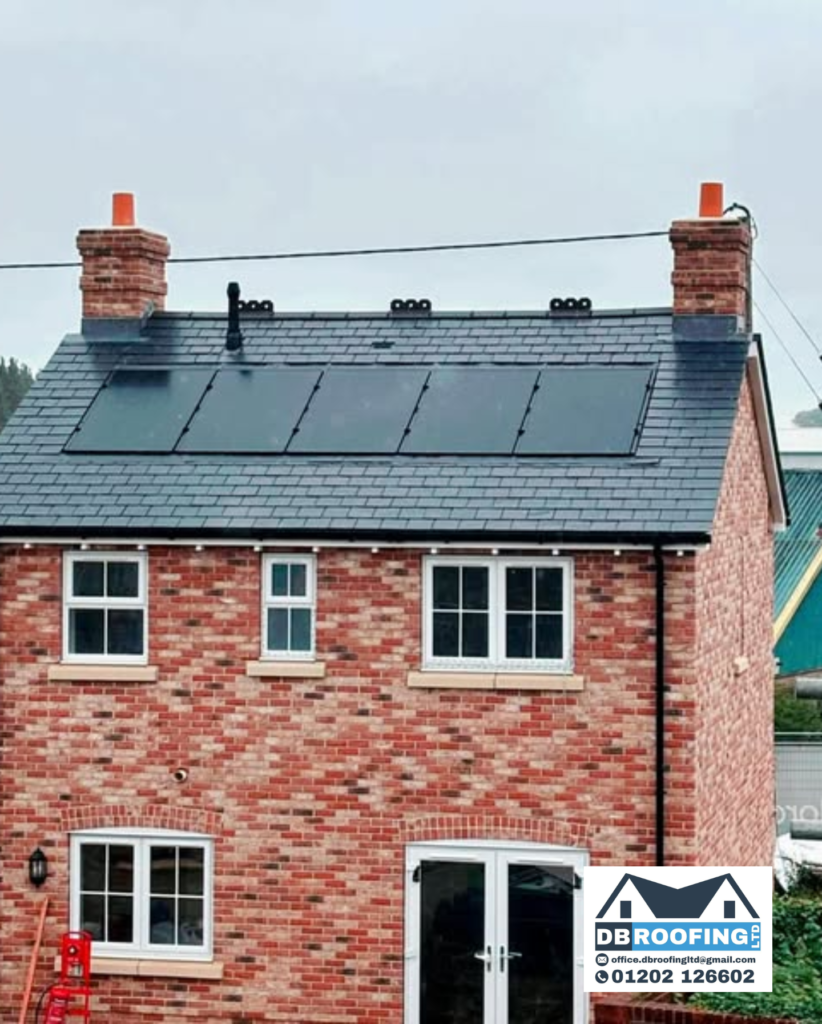
A professional chimney lead flashing repair in Dorset can prevent rainwater from entering the vulnerable area where a chimney meets the roof. Although flashing covers a relatively small section of the roof, it performs an extremely important waterproofing role.
When lead flashing becomes loose, split or incorrectly fitted, water can travel beneath the surrounding tiles or slates. The resulting leak may damage roof timbers, insulation, ceilings and internal decoration.
Knowing the warning signs can help homeowners arrange repairs before water ingress becomes more extensive.
What Is Chimney Lead Flashing?
Lead flashing is installed around roof junctions to direct water away from gaps and vulnerable joints. Around a chimney, it creates a weather-resistant connection between the chimney stack and roof covering.
A typical chimney flashing system can include several components:
- Apron flashing at the lower side of the chimney
- Step flashing or soakers along the sides
- Back gutter flashing behind the chimney
- Cover flashing fixed into the chimney joints
These elements must work together to guide rainwater onto the roof covering and towards the guttering system.
Historic England’s roof maintenance guidance describes flashings as weatherproofing for junctions where a roof meets features such as chimneys. It also identifies these junctions as some of the most vulnerable parts of a roof.
Signs Your Chimney Flashing May Need Repair
Some flashing problems can be spotted from ground level, while others only become clear during a close roof inspection.
Damp Patches Near the Chimney Breast
Brown marks, peeling paint or damp plaster around a chimney breast can indicate water ingress. The moisture may come from defective flashing, damaged chimney pointing, a cracked chimney pot or another roofing issue.
Water Entering the Loft
During heavy rain, water may appear on the roof timbers or membrane close to the chimney. Because water can travel along rafters and other surfaces, the visible drip may not be directly below the original defect.
Loose or Lifted Lead
Lead flashing should sit securely against the chimney and surrounding roof covering. Sections that have lifted, moved or pulled away can allow wind-driven rain underneath.
Cracks or Splits in the Lead
Lead naturally expands and contracts as temperatures change. If the sections are incorrectly sized, fixed or installed, repeated movement can eventually contribute to splitting.
Damaged Mortar Joints
Cover flashing is often secured into the mortar joints of the chimney. Deteriorated pointing can cause the lead to become loose and may also allow moisture into the chimney stack.
Recurring Roof Leaks
If a leak repeatedly returns after temporary sealing, the flashing system may require proper repair or replacement. Applying more sealant is rarely a dependable long-term answer to incorrectly fitted or damaged leadwork.
What Causes Chimney Flashing to Fail?
Lead is a durable roofing material, but its performance depends on correct detailing and installation. Common causes of failure include:
- Natural weathering over many years
- Incorrectly sized sections of lead
- Poor workmanship or unsuitable fixings
- Movement caused by temperature changes
- High winds lifting unsecured flashing
- Deteriorated mortar around the chimney
- Previous repairs using unsuitable sealants
- Movement within the roof or chimney structure
- Blocked gutters causing water to back up
Dorset’s combination of rain, wind and exposed coastal conditions can place additional pressure on roofing details, especially on properties in Bournemouth, Poole, Christchurch and other coastal areas.
Does Damaged Flashing Always Need Replacing?
Not every flashing defect requires complete replacement. If the lead remains in good condition, a roofer may be able to refix, redress or locally repair the affected area.
Replacement may be more appropriate when the lead is extensively split, incorrectly detailed, too short, badly fitted or repeatedly failing. The surrounding roof covering and chimney pointing should also be checked so the full cause of the leak is addressed.
A professional inspection is the best way to determine whether a targeted repair or new leadwork is required.
Why Temporary Sealants Are Not a Long-Term Solution
Roofing sealants may sometimes be used as an emergency measure, but covering damaged lead with sealant does not correct poor detailing, loose fixings or failed mortar joints.
Some temporary materials can also hide the original defect, making future repairs more difficult. If a chimney continues to leak, the leadwork and surrounding roof should be inspected rather than repeatedly patched.
What Happens During a Chimney Flashing Inspection?
A professional inspection should look at more than the visible section of lead. The roofer may assess:
- The condition and positioning of the flashing
- Mortar joints and chimney pointing
- Tiles or slates surrounding the chimney
- The chimney back gutter and drainage route
- Roofing membranes beneath the covering
- Signs of damp inside the loft
- Chimney pots, caps and cowls
- Nearby gutters, valleys and roof junctions
This helps identify whether the leak comes from the flashing, the chimney itself or another part of the roof.
Benefits of Professional Leadwork
Correctly installed leadwork provides a flexible and durable barrier around complex roof junctions. Professional installation also ensures that the lead is appropriately sized, fixed and dressed for the roof design.
The benefits include:
- Reliable protection against rainwater
- A neat finish that suits tiled and slate roofs
- Flexibility during temperature changes
- Better protection for roof timbers and insulation
- A longer-lasting alternative to repeated patch repairs
DB Roofing provides specialist leadwork services across Dorset, including new installations, maintenance and repairs. We can also inspect the surrounding structure as part of our wider Dorset roofing services.
Arrange Chimney Lead Flashing Repair in Dorset
Ignoring damaged chimney flashing can allow a small point of water ingress to develop into damp plaster, damaged insulation or deterioration of the roof structure.
DB Roofing has over 40 years of experience providing roofing and leadwork solutions for homes and businesses throughout Dorset. Our team covers Bournemouth, Poole, Wimborne, Ferndown, Christchurch, Wareham and surrounding areas.
If you have noticed damp near your chimney, loose flashing or a recurring roof leak, arrange a professional inspection. For reliable chimney lead flashing repair in Dorset, contact DB Roofing or call 01202 126602 for a free quotation.