Flat Roof Systems: A Complete Guide to Modern Roofing Solutions

Flat roof systems are a popular choice for residential, commercial, and industrial buildings due to their cost-effectiveness, versatility, and modern aesthetic. Unlike traditional sloped roofs, flat roofing solutions provide additional space for various functionalities, including HVAC units, solar panels, and rooftop gardens.

Types of Flat Roof Systems

There are several flat roof systems available, each with its own benefits and applications. The most common types include:

  1. Built-Up Roofing (BUR)

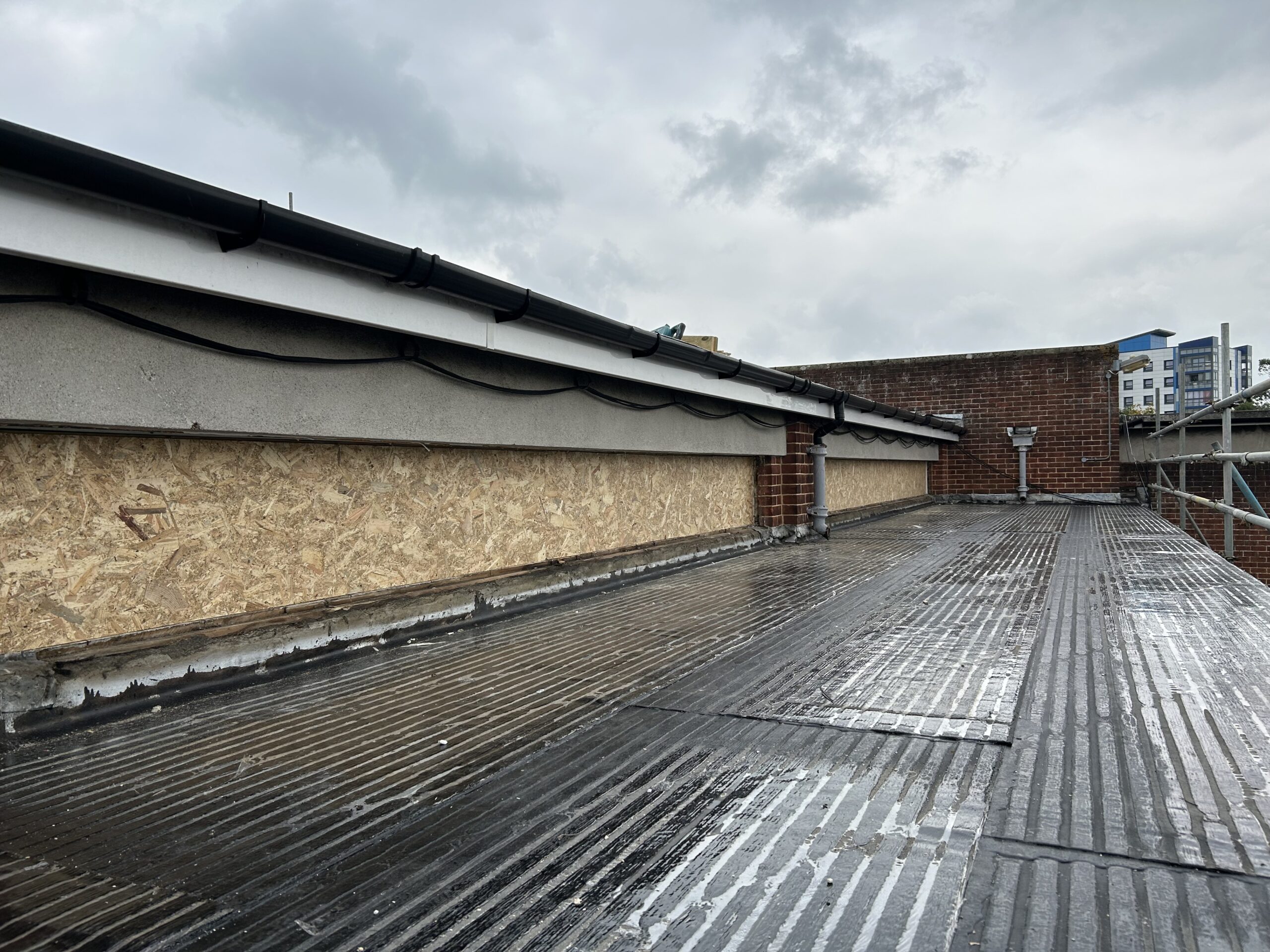
    • Made of multiple layers of bitumen and reinforcing fabrics
    • Offers excellent waterproofing and UV resistance
    • Provides a durable and long-lasting roofing solution
  2. Modified Bitumen Roofing

    • Composed of asphalt reinforced with rubber or plastic polymers
    • More flexible and resistant to temperature fluctuations
    • Ideal for both residential and commercial buildings
  3. EPDM (Ethylene Propylene Diene Monomer) Roofing

    • A synthetic rubber membrane that is lightweight and durable
    • Highly resistant to UV rays, ozone, and extreme weather conditions
    • Easy to install and requires minimal maintenance
  4. TPO (Thermoplastic Olefin) Roofing

    • A single-ply roofing membrane that is energy-efficient and eco-friendly
    • Reflects heat, reducing cooling costs in warm climates
    • Resistant to mold, dirt buildup, and chemical exposure
  5. PVC (Polyvinyl Chloride) Roofing

    • Durable and resistant to fire, chemicals, and harsh weather conditions
    • Ideal for commercial buildings due to its strong seams and longevity
    • Provides energy efficiency with reflective properties

Benefits of Flat Roof Systems

Choosing a flat roof system offers numerous advantages, including:

  • Cost-Effectiveness – Flat roofs require fewer materials and are easier to install compared to pitched roofs.
  • Space Utilization – Provides additional functional space for solar panels, HVAC systems, or rooftop gardens.
  • Energy Efficiency – Many flat roofing materials reflect sunlight, reducing heat absorption and lowering energy costs.
  • Ease of Maintenance – Flat roofs are easier to inspect and repair due to their accessible design.

Flat Roof Maintenance Tips

To extend the lifespan of your flat roof system, follow these essential maintenance tips:

  • Regularly inspect for cracks, blisters, and water pooling.
  • Clean debris and dirt to prevent drainage issues.
  • Schedule professional inspections at least twice a year.
  • Ensure proper insulation and sealing to prevent leaks.

Choosing the Right Flat Roof System

When selecting a flat roof system, consider factors such as climate, building type, budget, and long-term maintenance requirements. Consulting a professional roofing contractor will help you choose the best option for your specific needs.

Conclusion

Flat roof systems offer a practical, cost-effective, and modern roofing solution for various types of buildings. By selecting the right material and ensuring proper maintenance, you can enjoy the benefits of a durable and energy-efficient roof for years to come. Whether you need a flat roof for a residential home or a large commercial facility, investing in a high-quality flat roof system is a smart decision.