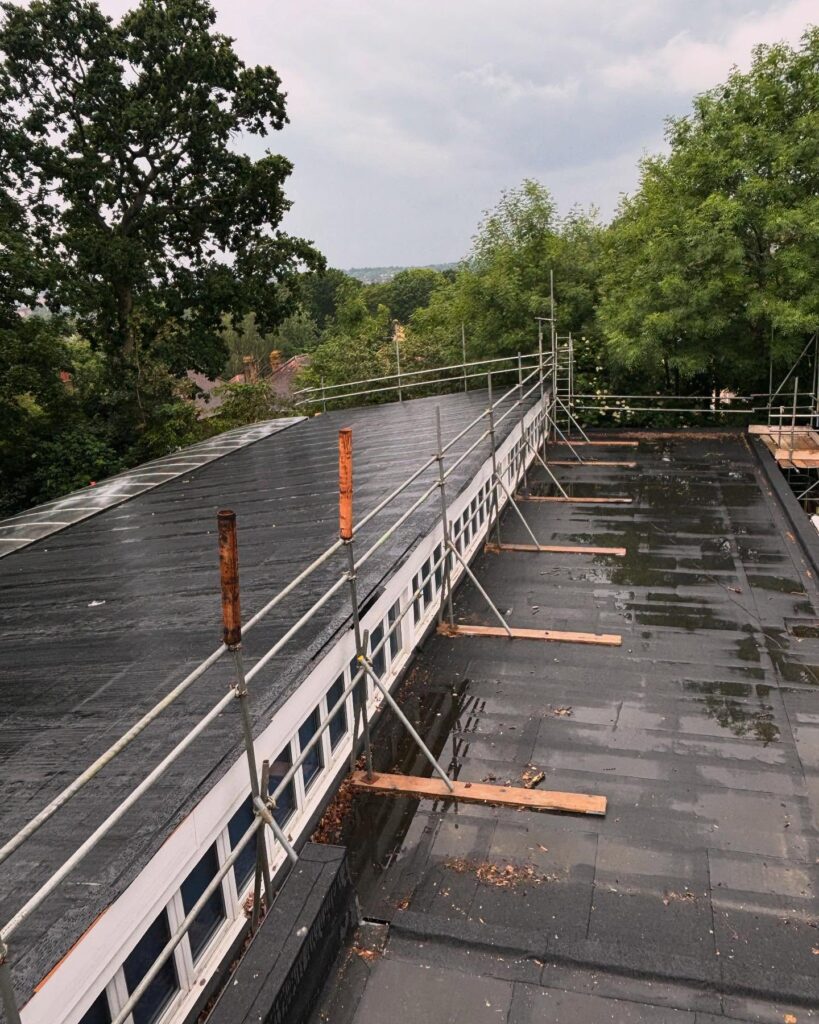
When a storm rips up tiles or a sudden leak appears, every minute counts. This guide to emergency roof repair Dorset explains how to protect your home in the first 24 hours, what you can safely do yourself, and when to call specialists—so a bad night doesn’t become a bigger, costlier problem.
Emergency roof Repair Dorset: Your 24-hour Action Plan
Start by making the interior safe. Move furniture, electronics, and soft furnishings away from the leak and place buckets or trays to catch drips. If water is tracking across ceilings, carefully puncture the lowest sagging spot with a screwdriver to relieve pressure and prevent a larger collapse. Switch off electricity to any affected lighting circuits.
Next, document everything. Take clear photos and short videos of the leak route, damaged tiles, flashing, gutters, and any internal staining. These records help with insurance claims and give roofers a head start on diagnosis.
Avoid climbing onto the roof. Wet tiles, wind, and poor light make falls likely. Temporary covers, if needed, should be installed from safe access by trained teams using proper fixings to avoid forcing water under the coverings. Contact a local contractor for rapid attendance through their Comprehensive roofing services line, and share your notes and photos so they arrive prepared.
What Pros Will Check First
A roofer will trace the water path from inside to out, then assess coverings, flashings, valleys, ridges, and penetrations like chimneys and roof windows. Common emergency fixes include replacing slipped or broken tiles, reseating ridge pieces, sealing wind-lifted felt laps on older roofs, and renewing failed step flashing where roofs meet walls. If your home has a flat section, they’ll also inspect seams and outlets—follow-up work may involve our Flat roofing team for a longer-term solution.
Chimneys and parapets are frequent leak sources. Defective lead around these details allows wind-driven rain to bypass tiles entirely, so an emergency visit often overlaps with permanent Leadwork services to stop the issue returning.
How Long Does It Take – and What Might It Cost?
True emergencies (active water ingress, unsafe elements) are usually stabilised the same day, with permanent repairs scheduled for fair weather. Costs vary by access, height, and scope. A handful of broken tiles on a bungalow may be a short visit; replacing storm-damaged ridge lines, renewals to valleys, or temporary coverings at height will take longer. For multi-storey properties or sites with tricky access, see our guide to High-access roofing maintenance in Southampton to understand how specialist access keeps jobs safe and efficient.
DIY vs Professional Emergency Roof Repair Dorset
Limit DIY to interior protection and documentation. Exterior work needs the right kit, fixings, and know-how; improvised tarps can worsen leaks if they trap water or lift in the wind. A professional stabilise-then-repair approach prevents hidden moisture from lingering in the structure.
Prevent The Next Emergency
Most crisis call-outs follow predictable patterns—blocked outlets, tired flashings, loose ridges. A seasonal check catches these early. Start with our homeowner checklist for Seasonal roof maintenance Dorset, then book remedial work before winter sets in. If your coverings are nearing end of life, planning a Pitched roofing renewal or targeted Leadwork services upgrade now is cheaper than repeated emergencies.
Need immediate help or a preventative survey after a storm? Our Comprehensive roofing services team covers Dorset quickly with clear diagnostics and lasting repairs.