Flat vs. Pitched Roofing: Which is Best for Dorset Homes?
When it comes to choosing the right roofing style for your home, one of the biggest decisions is whether to go with a flat roof or a pitched roof. Both options have their own strengths, costs, and long-term benefits, and the best choice often depends on the type of property, the location, and your future plans.
For Dorset homeowners, where weather can range from heavy coastal winds to persistent rain, making the right roofing choice is vital. In this guide, we’ll explore the pros and cons of both flat and pitched roofing, and help you decide which option is the right fit for your property.
What is Flat Roofing?
Flat roofs are most commonly found on modern homes, extensions, and commercial properties. Despite the name, they aren’t completely flat—they usually have a slight slope to allow for water drainage.
Flat roofs are valued for their cost-effectiveness and contemporary style. Many homeowners choose flat roofing for extensions, garages, and garden offices because of its simple structure and clean finish.
👉 Learn more about our Flat Roofing services in Dorset.
Benefits of Flat Roofing:
Lower initial installation cost.
Easy to access for maintenance and repairs.
Sleek, modern appearance.
Can be used for roof terraces or green roofs.
Drawbacks of Flat Roofing:
More prone to pooling water if not maintained properly.
Shorter lifespan compared to pitched roofing.
Requires high-quality materials to withstand Dorset’s wet winters.
What is Pitched Roofing?
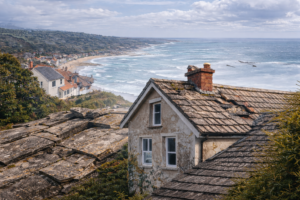
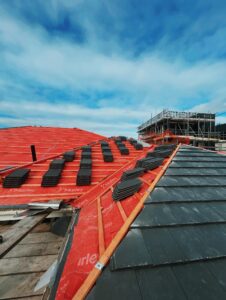
Pitched roofs are the traditional sloped roofs you see on most Dorset houses. They have a distinctive angle that helps rainwater, snow, and debris slide off easily, which is especially important in areas with heavy rainfall.
These roofs are seen as durable and long-lasting, making them a popular choice for family homes.
👉 Explore our expert Pitched Roofing solutions for Dorset properties.
Benefits of Pitched Roofing:
Longer lifespan (often 50+ years with proper care).
Better insulation and energy efficiency.
Excellent drainage in rainy climates.
Adds traditional charm and kerb appeal to homes.
Drawbacks of Pitched Roofing:
Higher installation cost.
More complex and time-consuming repairs.
Not always suitable for extensions or modern builds.
The Role of Leadwork in Both Roof Types
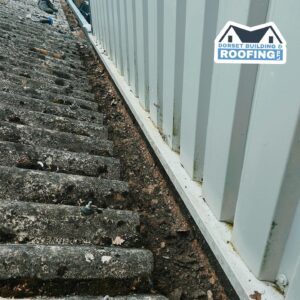
Whether you choose flat or pitched roofing, leadwork plays an important role in protecting your roof. Lead is commonly used around chimneys, valleys, and roof joints to keep water out and ensure a watertight seal.
Poor or damaged leadwork is one of the most common causes of leaks in Dorset homes, especially in older properties. Ensuring this is fitted and maintained correctly can significantly extend the life of your roof.
👉 Discover our specialist Leadwork Services for long-lasting protection.
How to Decide Between Flat and Pitched Roofing
When choosing the right roof for your home, consider the following:
Property type: Modern extensions may look better with a flat roof, while traditional homes suit pitched roofs.
Budget: Flat roofs are cheaper upfront, but pitched roofs often last longer.
Maintenance: Flat roofs need more frequent checks, while pitched roofs are more self-sustaining.
Future plans: If you want a loft conversion, a pitched roof is essential. If you’d like a roof terrace, flat roofing is the better option.
Why Choose Dorset Building & Roofing?
Every home is different, and the best way to decide between flat and pitched roofing is to consult with local experts who understand Dorset’s unique climate and building styles.
At Dorset Building & Roofing, we offer:
Free consultations and surveys.
Skilled installation and repair teams.
Expertise across flat roofing, pitched roofing, leadwork, and full-service roofing solutions.
Competitive pricing with a focus on durability and customer satisfaction.
👉 View our Comprehensive Roofing Services to see how we can help protect your home.
Both flat and pitched roofing have their advantages, and the right choice depends on your home’s design, your budget, and your future plans. Flat roofs offer cost savings and modern design, while pitched roofs provide longevity and classic appeal.
No matter which option you choose, proper installation and regular maintenance are essential to protect your investment and keep your Dorset home safe for decades to come.